

How to Tell if Gold Jewelry Is Durable
Table of Contents
- What Makes Gold Jewelry Durable
- Solid Gold vs Gold Plated Durability: Understanding the Difference
- Testing Methods to Assess Gold Durability
- Is 18K Gold Too Soft for Everyday Wear
- Hallmarks and Stamps: Reading Durability Clues
- How to Care for Gold Jewelry for Long-Term Durability
- Frequently Asked Questions
Last Updated: September 23, 2026
What Makes Gold Jewelry Durable
Understanding how to tell if gold jewelry is durable depends on purity and alloy composition. Pure gold is soft and malleable, bending and scratching easily. Jewelers mix pure gold with copper, silver, and zinc to create alloys that resist damage while maintaining gold's beauty.
The karat rating indicates pure gold content. Higher karat means softer metal; lower karat means more alloy and greater durability. This is a trade-off: more gold looks richer but won't withstand daily wear as well.
At Robyn Canady, we design jewelry that balances beauty with durability. Our solid gold pieces use carefully selected karats and alloy combinations to ensure your jewelry lasts through everyday moments and becomes a true heirloom. Our collections are created to be worn, loved, and uniquely yours.
Solid Gold vs Gold Plated Durability: Understanding the Difference
Solid gold contains gold all the way through the piece. Gold-plated jewelry has a thin layer of gold bonded to a base metal underneath, usually brass or nickel.

Solid gold is dramatically more durable. A solid gold piece will last your lifetime and beyond if you care for it properly. The gold won't wear off because the entire piece is made of gold alloy. Even if the surface scratches, you still see gold underneath.
Gold-plated jewelry degrades over time. The thin gold layer rubs away with regular wear, sweat, and friction. Within months or a few years, the base metal shows through. This looks tarnished and dull. If the base metal is nickel, it can even irritate your skin as the plating wears away.
Gold-filled jewelry sits between solid and plated. It has a thicker layer of gold bonded to base metal. Gold-filled pieces last much longer than plated. For jewelry you plan to wear every day for decades, solid gold is the only choice that truly endures.
Testing Methods to Assess Gold Durability
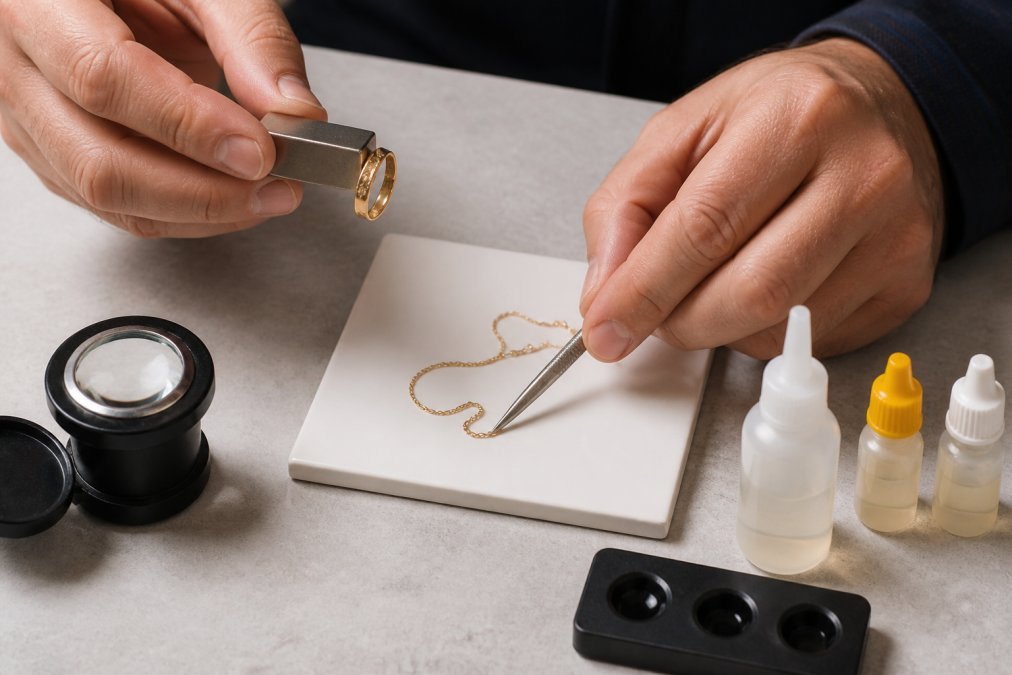
Several tests reveal how to tell if gold jewelry is durable and what its composition is. Some are at-home methods; others require professional equipment.
The Magnet Test
Real gold is nonreactive to magnets. If a piece is strongly attracted to a magnet, it contains iron or nickel, suggesting low-quality alloys that corrode faster. Place a strong neodymium magnet near the jewelry; solid gold should not move.
The Scratch Test
Scratch the jewelry gently on an unglazed ceramic plate. Real gold leaves a gold-colored streak; fake or plated gold leaves black or gray. Be careful with valuable pieces, you're creating a permanent scratch. For heirloom jewelry, skip this test or have a professional do it.
The Acid Test
Professional jewelers use acid testing kits to verify gold purity by observing how different acids react with different karats. This test is accurate but requires training and proper safety equipment. Do not attempt at home; take the piece to a professional jeweler or appraiser instead.
Professional XRF Testing
XRF (X-ray fluorescence) is a handheld device that shoots X-rays at gold to determine exact purity without damage. It takes seconds and requires no scratching or chemicals. Professional appraisers and high-end jewelers use it. For expensive or inherited pieces, XRF testing is worth the cost.
Is 18K Gold Too Soft for Everyday Wear
18K gold contains 75% pure gold and 25% alloy; 14K contains 58% pure gold and 42% alloy (Buying Platinum, Gold, and Silver Jewelry). More pure gold means softer, more damage-prone jewelry, a counterintuitive relationship.
Why Purity and Durability Are Inversely Related
Pure gold (24K) rates 2.5 to 3 on the Mohs hardness scale, making it softer than copper. Adding alloy metals, copper, silver, zinc, and nickel, increases hardness. 14K, with its higher percentage of harder metals, resists surface damage much better. Alloy composition matters as much as karat rating.
Durability Expectations by Karat
24K gold (pure gold) is too soft for wearable jewelry. Jewelers use it only for investment pieces or decorative items stored safely.
18K gold (75% gold) is softer than 14K but wearable with care. Daily wear shows visible scratching within 2 to 3 years. Ideal for occasional-wear pieces, special occasion rings, delicate necklaces, or jewelry removed during physical activity.
14K gold (58% gold) is the durability sweet spot, resisting scratches and dents significantly better than 18K while offering real gold's prestige.

The Real Trade-Off: Choosing Based on Wear Pattern
Choose between 18K and 14K based on wear patterns, not just color preference. For daily wear including work and exercise, 14K maintains appearance over time. For occasional wear, 18K is acceptable and offers richer color.
Hallmarks and Stamps: Reading Durability Clues
Hallmarks and stamps indicate karat purity. Common U.S. hallmarks: 24K/999 (pure gold), 18K/750 (75% gold), 14K/585 (58% gold), 10K/417 (42% gold), GF (gold-filled), GP (gold-plated). Look inside rings, on earring backs, or along necklace clasps. If no hallmark appears, the piece is likely not solid gold. Hallmarks don't reveal alloy composition or construction quality, but they indicate whether you're holding solid gold or plating.
How to Care for Gold Jewelry for Long-Term Durability
Proper care extends the life of gold jewelry far beyond its natural durability limits. Even soft 18K gold becomes a true heirloom when maintained intentionally. The key is understanding that maintenance prevents damage, and damage prevention is more cost-effective than repair.
Daily Wear Practices That Prevent Damage
Remove jewelry during high-impact activities. Before exercising, gardening, or playing sports, remove rings and bracelets. A 14K gold ring struck hard can dent permanently. Prevention is free.

Cleaning Frequency Based on Wear Intensity
Daily-wear pieces should be cleaned every 2-4 weeks with warm water, mild dish soap, and a soft-bristled toothbrush. Rinse and dry completely. Occasional-wear pieces need cleaning every 2-3 months or before wearing, using the same method.
Damage Prevention for Specific Piece Types
Rings are most vulnerable to impact damage and require the most careful handling. Remove rings before any physical activity. Have the band inspected annually for cracks or stress points, especially near stone settings. If you wear a ring constantly, have it professionally polished to maintain its appearance and catch developing problems.
Warning: DIY Testing Risks
While at-home tests like the scratch test or acid test can verify gold authenticity, they carry a hidden cost: permanent damage to the piece. Scratching jewelry on ceramic leaves a visible mark. Acid testing requires making a scratch deep enough for the acid to penetrate, which damages the surface. For heirloom pieces, inherited jewelry, or anything you plan to wear long-term, skip DIY testing entirely.
Long-Term Storage for Pieces You Don't Wear
If you're storing gold jewelry for extended periods, inherited pieces, vintage finds, or jewelry you're saving for a future occasion, take extra precautions. Store pieces in a cool, dry place away from direct sunlight, which can fade some alloys over time. Use acid-free tissue or soft cloth, never plastic wrap or newspaper, which can trap moisture or transfer ink.
Frequently Asked Questions
What are the best ways to test if gold jewelry is durable at home?
Two reliable home tests assess gold durability: the magnet test (solid gold is nonreactive to magnets) and the scratch test (use a ceramic plate to check for discoloration). The magnet test is safest for beginners. For definitive results, professional XRF testing provides the most accurate measurement of karat purity and durability without damaging your piece.
How does solid gold vs gold plated durability compare for everyday wear?
Solid gold jewelry maintains its durability through years of daily wear because the gold composition runs throughout the entire piece. Gold-plated jewelry has only a thin layer of gold bonded to base metal; this plating wears away with sweat, friction, and oxidation, exposing the base metal underneath. Solid gold resists tarnish and skin reactions, while gold-plated pieces often cause discoloration or allergic responses once the plating wears off.
What karat purity is best for jewelry I wear every day?
14K gold offers the ideal balance of durability and purity for everyday jewelry. It contains 58.3% pure gold mixed with alloys like copper and silver, making it harder and more resistant to wear and tear than 18K gold. 14K gold resists scratching, maintains its shine, and won't tarnish, making it the preferred choice for rings, necklaces, and earrings worn regularly.
How should I care for gold jewelry to ensure it lasts a lifetime?
Store solid gold jewelry separately to prevent scratches from other pieces. Clean gently with warm water, mild soap, and a soft cloth; avoid harsh chemicals and abrasive scrubbing. Remove gold jewelry before swimming, exercising, or using cleaning products, as chlorine and chemicals can cause oxidation and discoloration. Have pieces professionally inspected annually for loose stones or weakened settings. With proper care, solid gold jewelry remains durable and beautiful for generations.
Understanding how to tell if gold jewelry is durable protects your investment and ensures your pieces last. The best gold jewelry combines solid gold construction with thoughtful alloy selection and careful maintenance. When you choose pieces designed to endure, like those crafted at Robyn Canady with nearly two decades of design expertise, you're choosing jewelry that becomes part of your story for life. Shop our solid gold collection and discover pieces made to last.